

In August, the government introduced a new social value model, PPN 026, replacing the previous guidance set out in PPN 002. It will apply to central government contracts commenced on or after 1st January 2027 and marks the second iteration of the social value model in 18 months.
Here, our Social Value Manager, Steven Graham, looks at what’s changing, discusses the likely implications of the revised model, and explains why it won’t significantly affect the activities and initiatives we deliver to benefit communities across the UK.
A closer look at PPN 026
PPN 026 applies to central government departments, their executive agencies and non-departmental public bodies.
Only procurements worth £1 million or more, including VAT, are covered by the model, which is a significant increase from the £139,688 threshold from which PPN 002 took effect.
The main aim of the model – as outlined by the First Secretary of State, Louise Haigh – is to ensure that the £90 billion spent each year through government contracts supports British jobs, skills and people in every postcode.
As part of this, however, the model’s missions and policy outcomes have shifted seismically.
PPN 026: The key changes
The far-reaching PPN 002 has been greatly trimmed, with PPN 026 comprising two outcomes rather than eight and three model award criteria (MAC) for each as opposed to the 17 MACs that existed previously.
The two outcomes are as follows:
Outcome 1: Good Jobs
1a) Create and/or retain high-quality jobs
1b) Fair working conditions
1c) Fair pay
Outcome 2: Skills
2a) Training/retraining
2b) In-work progression
2c) Talent pipeline
A range of metrics have been removed completely, including the environment and net zero, supply chain diversity, and tackling inequality in employment – the model has been stripped back significantly.
Another notable change is the weighting given to social value. For contracts valued £1-5 million a minimum 10% weighting applies, however this doubles to 20% on contracts above £5 million. And on the latter, the framework stipulates that one social value KPI should be set, alongside those required under the Procurement Act 2023.
Industry implications
The changes to social value delivery requirements on central government projects under PPN 026 are likely to have far-reaching consequences across the industry, with both potentially positive and negative outcomes.
On one hand, a minimum 20% weighting for social value on contracts over £5 million will ensure contractors place significant emphasis on delivering activities that create good jobs and training opportunities, while businesses will also be held more accountable than ever on qualifying public sector projects.
This is because social value performance will be more visible and publicly available, helping drive standards and innovation.
However, with the removal of many metrics that companies previously had to take into consideration and report on, there is a chance that some firms only focus on the outcomes prioritised in the model which could mean communities miss out on vital support and investment. Compliance should always be the baseline, not the limit of what we consider to be social value.
Further guidance regarding PPN 026 has now been published. We are exploring the full implications of the updated model and will provide further updates in due course.
Going above and beyond compliance
Here at McLaughlin & Harvey we are perfectly placed to respond to the revised social value model for central government contracts.
Adding value for communities and society is a key driver in our decision-making process and is an integral part of our business strategy – a mantra which is underpinned by our utilisation of the Thrive platform which we use across the business to report on social value and measure the true impact of the activities and initiatives we deliver.
While creating good jobs and training opportunities are integral to our social value delivery, they will still remain two elements of a much wider programme of activity we aim to deliver on all our projects to drive community-led solutions to local challenges.
Through our five social value pillars – Building Futures, Good Employer, Shared Prosperity, Communities Matter, and Sustainably Green – we have recognised that a holistic approach to social value must be taken to have a real, lasting impact on people from all walks of life, whether it’s supporting vital and life-saving charities, spurring local economic growth, or giving SMEs a boost.
Social value can’t be solely about employment and training – the picture is much bigger than that.
A commitment to delivering lasting social value
For more insights into how we deliver lasting social value for the communities where we work, and for a snapshot of some of the initiatives we’ve been involved with recently, check out our social value case studies.
Social Value
A children’s book to inspire future construction talent
'Millie Builds for Tomorrow' follows a young girl as she discovers how buildings and infrastructure are created and how they shape communities.
People
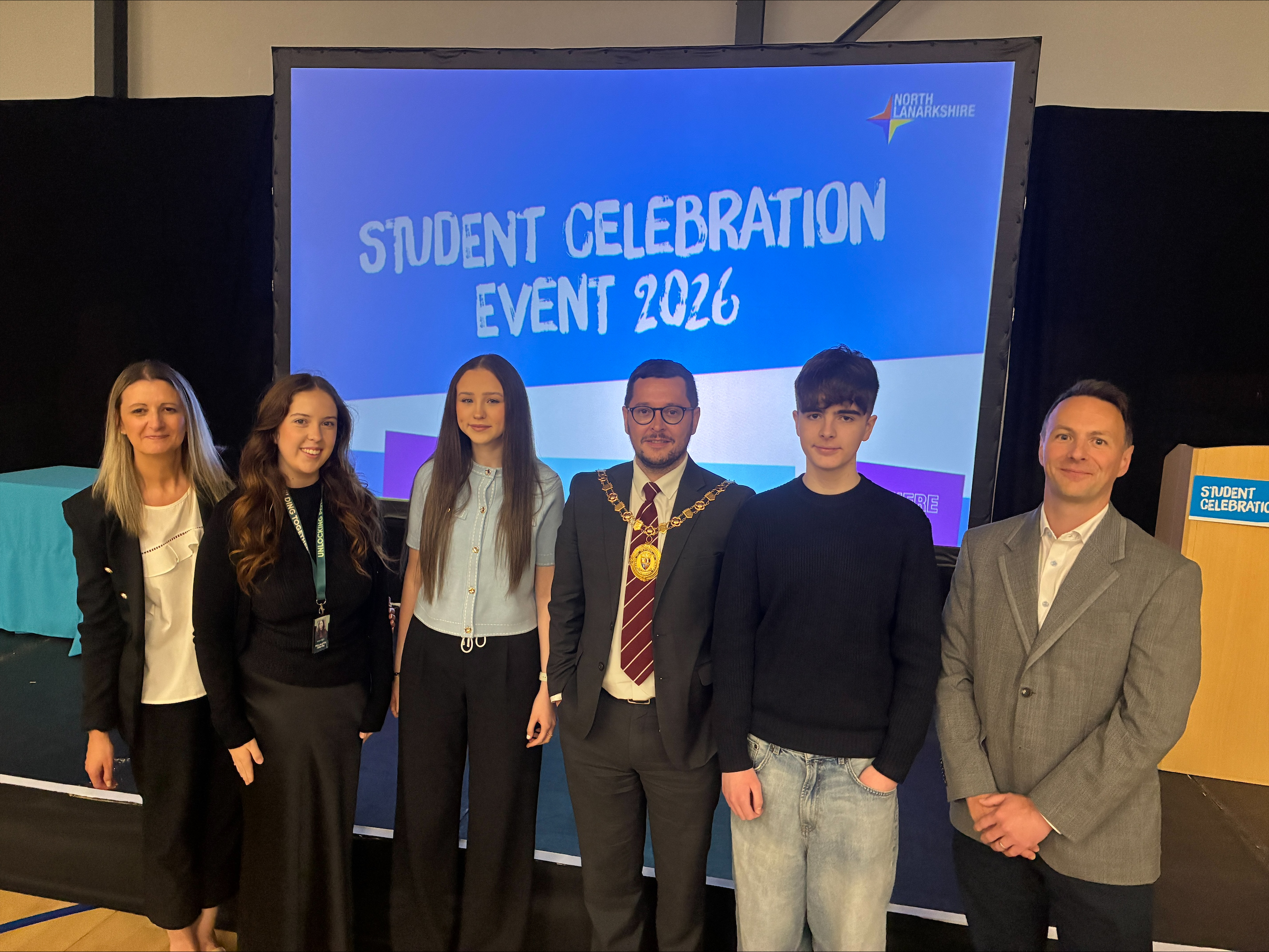
North Lanarkshire Council’s Summer Placement Programme
McLaughlin & Harvey supported North Lanarkshire Council's Summer Placement Programme for the second consecutive year.

Social Value
Barrow’s “Bright Stars” raise over £400 for local homeless shelter
Starting with just £50 of seed funding, pupils at Victoria Infant & Nursery School, Barrow raised £400 for the Furness Homeless Shelter.