

Our Regional Design Lead for London, Josephine Neill, was selected by Construction Management as one of a small group of experts to speak in a webinar on fire safety compliance for Gateway 2. Here, she shares the key themes from her session.
Get it right first time
Gateway 2 requires a higher level of design certainty before construction begins. For high-risk buildings (HRBs), teams must be clear on responsibilities, coordinate designs early and resolve assumptions before they become risks on site.
To significantly reduce risk within design on a HRB project, we prioritise:
-
- Clear design responsibilities agreed by all parties before work begins
- Competent designers and subcontractors with skills and experience related to buildings with similar typology, scale and constraints
- A robust, compliant fire strategy with no unresolved assumptions
- A coordinated, constructable MEP design, with clear lines of responsibility for all interfaces
- A change-control process that reflects the true programme impact of Stage 4 changes
- A clear process for demonstrating design compliance with Building Regulations.
De-risk MEP coordination
Projects are frequently presented as fully coordinated by clients and their design teams. However, detailed reviews can reveal important gaps, particularly around firestopping, builders work and service interfaces.
To address this, McLaughlin & Harvey has developed “21 steps to builders work coordination,” a process used to assess tender information and establish the true extent of outstanding coordination work.
Clear, practical information is essential to ensure design intent can be delivered effectively. This includes input from site teams and supply-chain partners to ensure design information translates into construction.
De-risk responsibility gaps
Complex projects sometimes include non-standard fire details that product information alone cannot resolve. Identify these details early and assign clear ownership for resolving them.
Design teams should maintain visibility of unresolved details, potential fire engineering judgements and any third-party testing requirements. Early review and collaboration help prevent these issues from becoming programme or compliance risks later in the project.
Challenging assumptions about existing buildings
Unverified assumptions about existing buildings can significantly affect fire strategy, programme, and cost. Any assumptions affecting compliance should be tracked, tested and resolved as early as possible, not carried into Stage 4 as an unresolved contractor risk.
To summarise, Gateway 2 demands greater certainty before construction starts. Achieving this requires earlier coordination, clearer responsibilities and a shared commitment to resolving ambiguity before it becomes a safety, programme or cost issue.
Read Construction Management’s webinar coverage here: “Early engagement key to Gateway 2 applications, say experts.”
Gateway 2 FAQs
Gateway 2 was established as part of wider reforms under the Building Safety Act to improve accountability, strengthen fire regulations, and ensure that safety is considered throughout the design and construction process of higher-risk buildings.
A Gateway 2 submission is a formal application that must be approved before construction work can begin on certain higher-risk buildings. Introduced under the Building Safety Act, Gateway 2 requires developers to demonstrate compliance with relevant building regulations and provide detailed information about design, fire safety and construction plans.
Gateway 2 applies to higher-risk buildings, typically those that are at least 18 metres tall or seven storeys high and contain two or more residential units. Certain hospitals and care homes may also fall within the higher-risk building regime under specific circumstances.
The client, principal designer and principal contractor all have responsibilities under the Building Safety Act. They must work together to ensure the submission is accurate, comprehensive and demonstrates compliance with all relevant building regulations.
If a submission does not meet the required standards, the Building Safety Regulator may reject the application or request further information. Construction work cannot proceed until the identified issues are resolved and Gateway 2 approval is granted.
Contract Wins
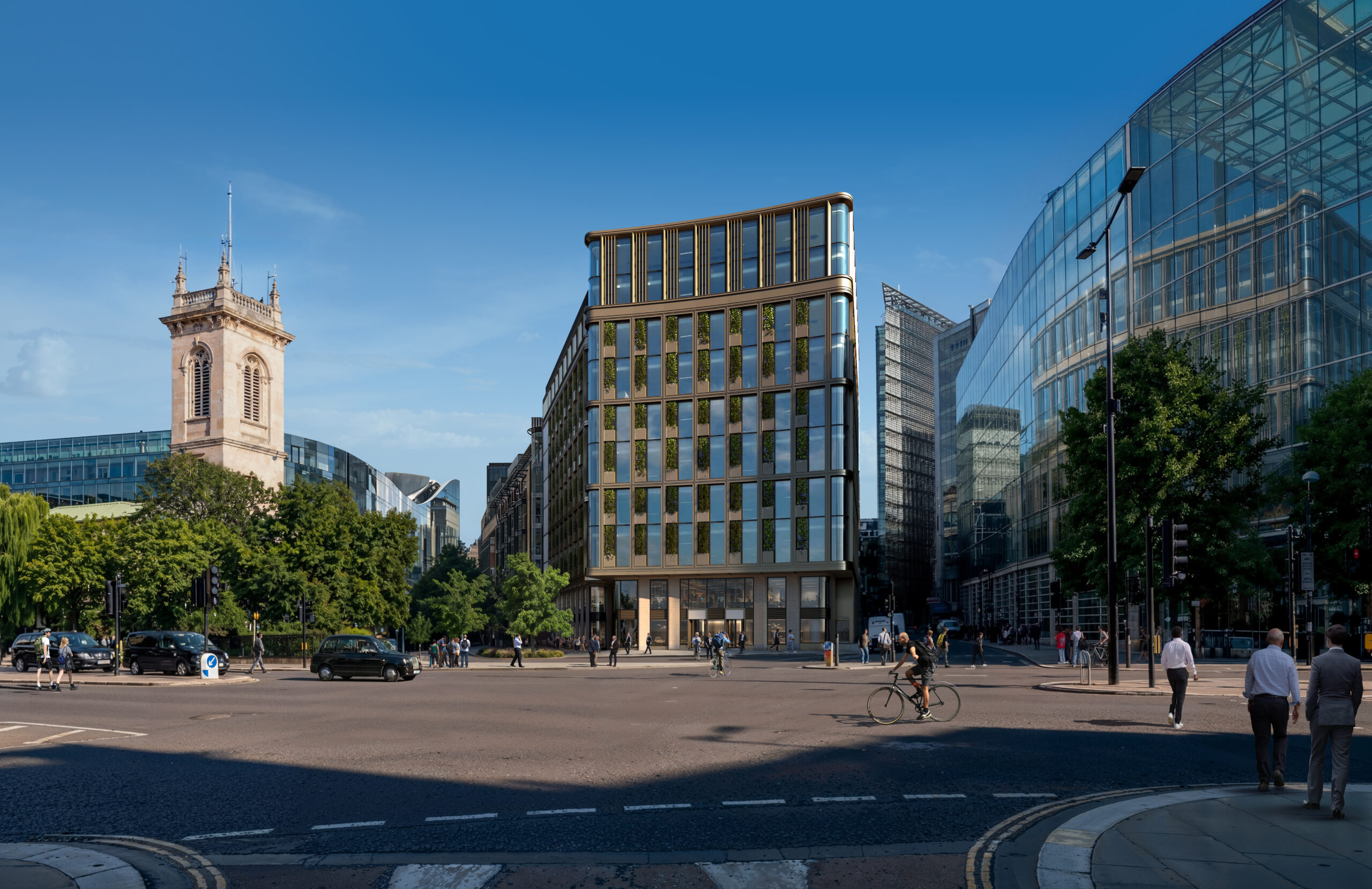
McLaughlin & Harvey to deliver £70m main contract at Thavies Inn House
Appointed by Evans Randall Investors, McLaughlin & Harvey will deliver the main contract package at Thavies Inn House, London.
Industry Insights
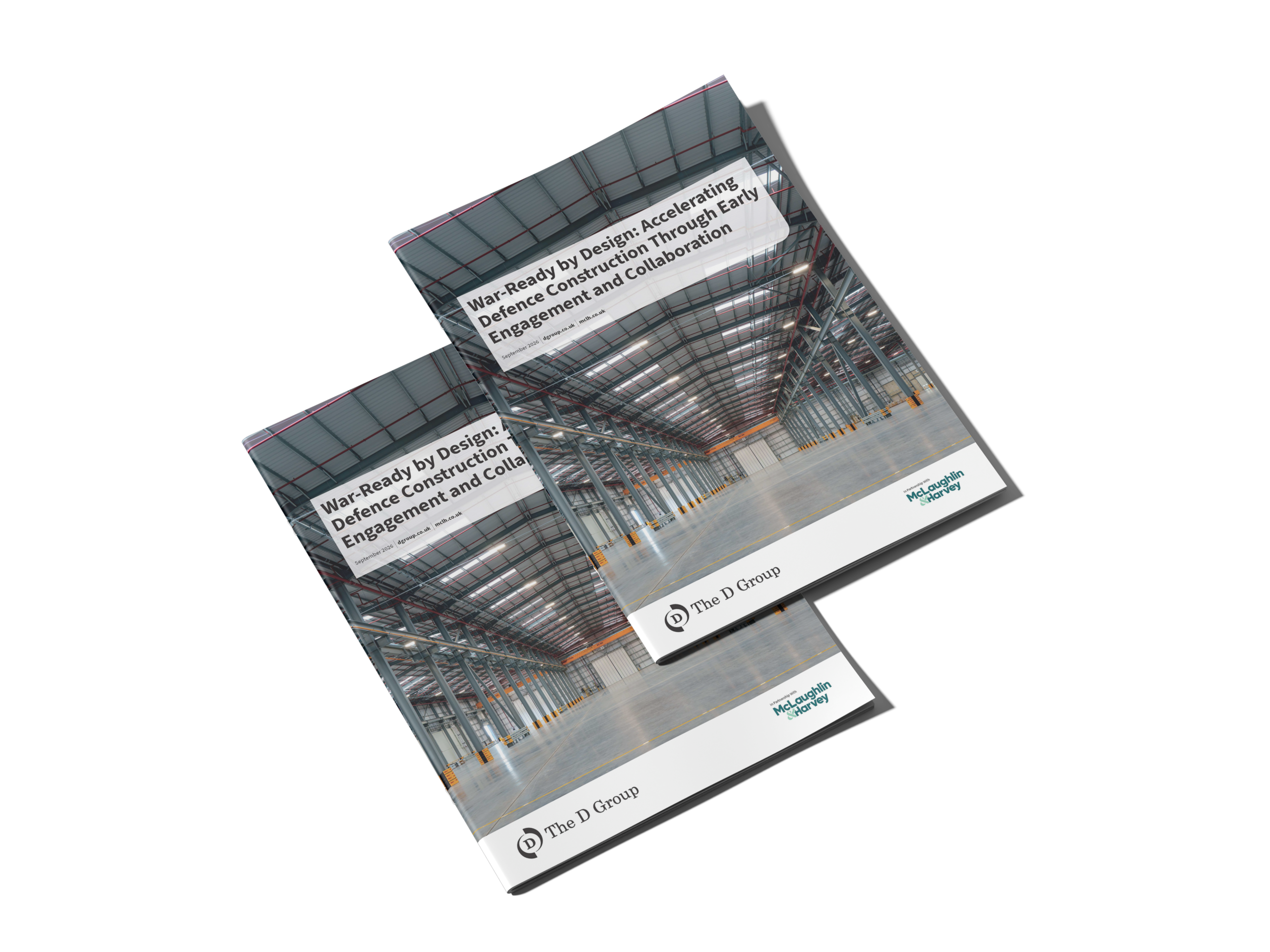
New defence insight paper calls for early contractor involvement
New insight paper calls for early contractor involvement to ensure the successful delivery of complex defence construction projects.

Contract Wins
McLaughlin & Harvey awarded major London redevelopment project
McLaughlin & Harvey will transform the 1990s building known as Pinners Hall, into a modern, highly sustainable destination in the heart of London’s financial district.