

Collaboration in complex infrastructure delivery
Collaboration is not just a core value at McLaughlin & Harvey; it is central to how we deliver complex civil engineering projects. It shapes how we work with clients, engage with our supply chain and approach technical challenges from the earliest stages of delivery. We believe projects are delivered more effectively when clear communication, practical construction experience and shared objectives are established early.
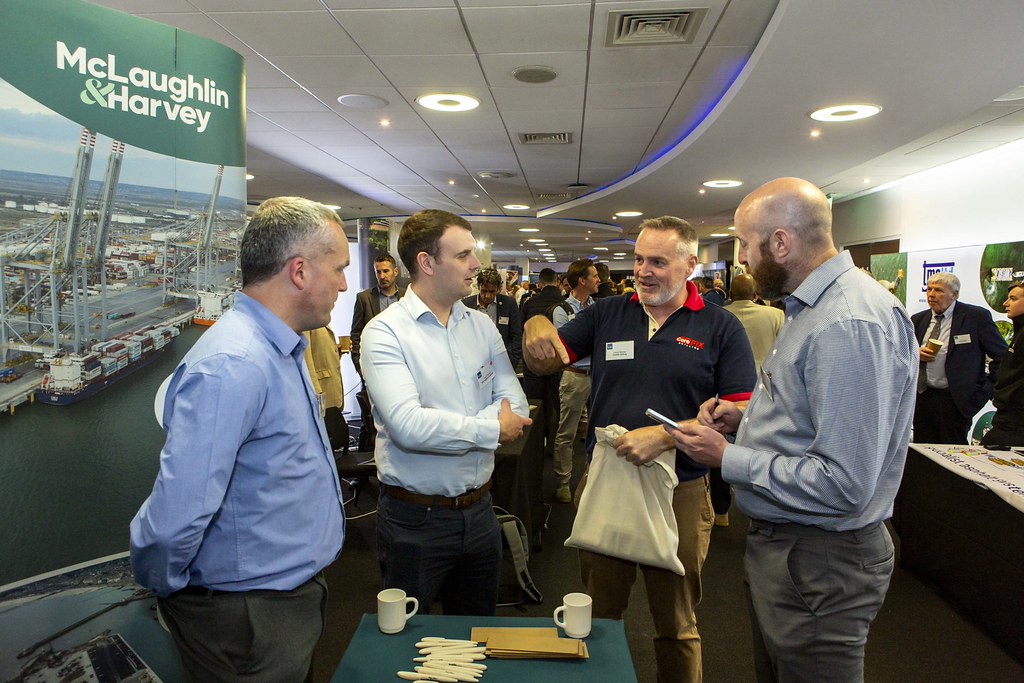
That was a key theme for us at this year’s ICE: Working in the Wet conference.
Built around the themes of project showcases, innovation and technology, climate change resilience, and buildability and delivery, the conference provided a valuable forum for sharing best practices and discussing the realities of delivering major infrastructure projects across the UK and Ireland.
For our civil engineering team, the event also provided an opportunity to demonstrate how early contractor involvement, early procurement involvement and collaborative delivery approaches can support successful outcomes on complex civil engineering infrastructure projects.
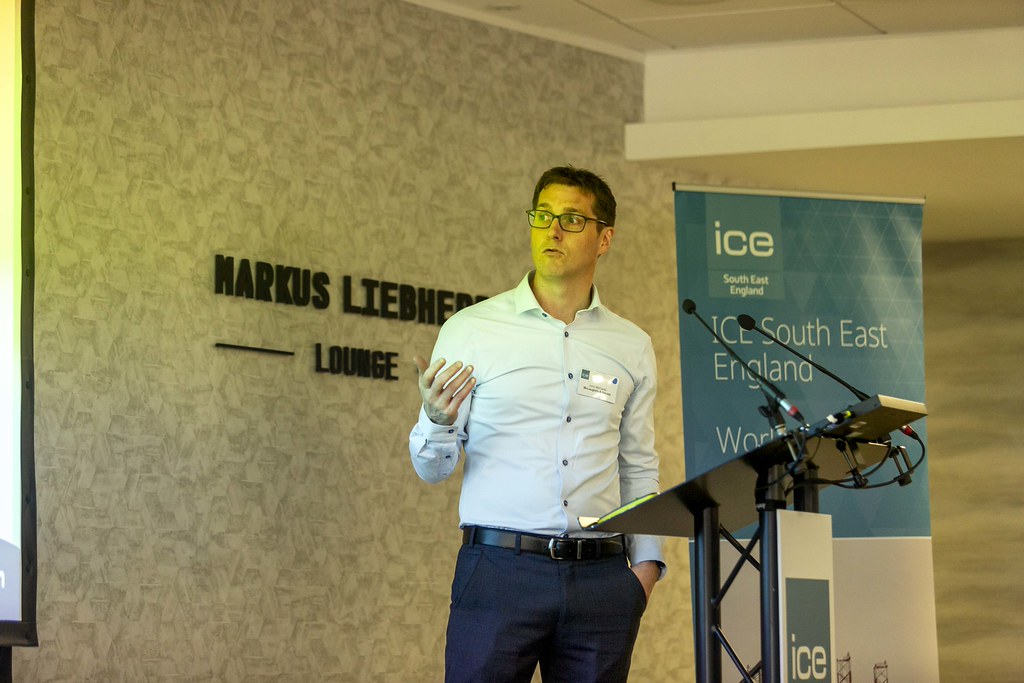
“The ICE: Working in the Wet conference is a key annual event for us. Sharing knowledge and best practice across our supply chain is fundamental to how we continue delivering successful outcomes on major infrastructure projects in the future.”
Lee Davidson, Bid Director
McLaughlin & Harvey
Showcasing Early Contractor Involvement on Janet Harvey Hall
Using the recent completion of Janet Harvey Hall for BAE Systems as a case study, Technical Director John McCarey presented during one of the keynote speaker sessions on The Power of ECI and Collaboration when Commissioning Infrastructure Projects.
John explored how Early Contractor Involvement and a collaborative delivery model helped shape the programme from the outset. What began as a project designed around one vessel evolved significantly to support two Type 26 frigates side by side, introducing major technical, logistical, and programme-delivery challenges.
Meeting that challenge required more than engineering expertise alone. It required clear objectives, efficient decision-making and consistent communication among the client, contractor and supply chain teams throughout the project lifecycle.
Delivering Complex Civil Engineering Infrastructure
The Janet Harvey Hall involved a range of complex civil engineering activities, including dredging operations, dock infilling, piling works and the construction of heavy quay infrastructure within a live operational shipbuilding environment.
Phase one involved draining and infilling the wet basin where the hall now stands. This required more than 430,000 tonnes of sand and stone, including approximately 318,000 tonnes of sand dredged directly from the River Clyde. Before the reinforced concrete foundations could be constructed, over 5,000 metres of steel piles were installed to support the development.
Named after World War II shipyard electrician Janet Harvey, the hall spans 170 metres in length and 80 metres in width and has become a prominent feature on the Glasgow skyline.
John’s presentation highlighted how ECI enabled construction and programme challenges to be addressed earlier in the design and delivery process, allowing practical solutions to be developed before issues escalated on site.
Major infrastructure projects are rarely straightforward, particularly when timelines change, project scope expands, or technical complexity increases. In those moments, strong working relationships and aligned project teams are often what keep delivery moving forward.
“Communication has been the foundation of our growing relationship.”
Alan Nicholson, Head of Ship Construction and Manufacturing
BAE Systems
The Value of Early Engagement
That principle was central to John’s presentation and remains central to how we work. Successful project delivery is not only about technical capability or project scale, but it’s also about creating the right environment for teams to work together effectively from day one.
Working in the Wet 2026 gave us the opportunity to showcase what we built and share our approach to delivering complex infrastructure projects that support the UK armed forces and supply chain.
For us, the message is clear; early contractor Involvement, early procurement and strong collaboration are often the difference between simply delivering infrastructure and delivering it successfully.


FAQ's
Early Contractor Involvement (ECI) is a collaborative approach where contractors are engaged during the early design and planning stages of a project. This allows expertise, practical experience and supply chain knowledge to inform decision-making before construction begins. This helps to reduce risk, improve efficiency and support programme delivery.
ECI is valuable on civil engineering projects where technical constraints, logistics, environmental conditions and programme pressures can significantly impact delivery. Early involvement helps identify practical solutions sooner and improves collaboration between client, contractor and supply chain teams.
The Janet Harvey Hall programme involved several major civil engineering works, including dredging, dock infilling, piling works and heavy quay infrastructure construction within a live operational shipbuilding environment on the River Clyde.

Contract Wins
Whitesands construction contract awarded for main works
Dumfries and Galloway Council has awarded the main works contract for the Whitesands Flood Protection Scheme to McLaughlin & Harvey.
Contract Wins
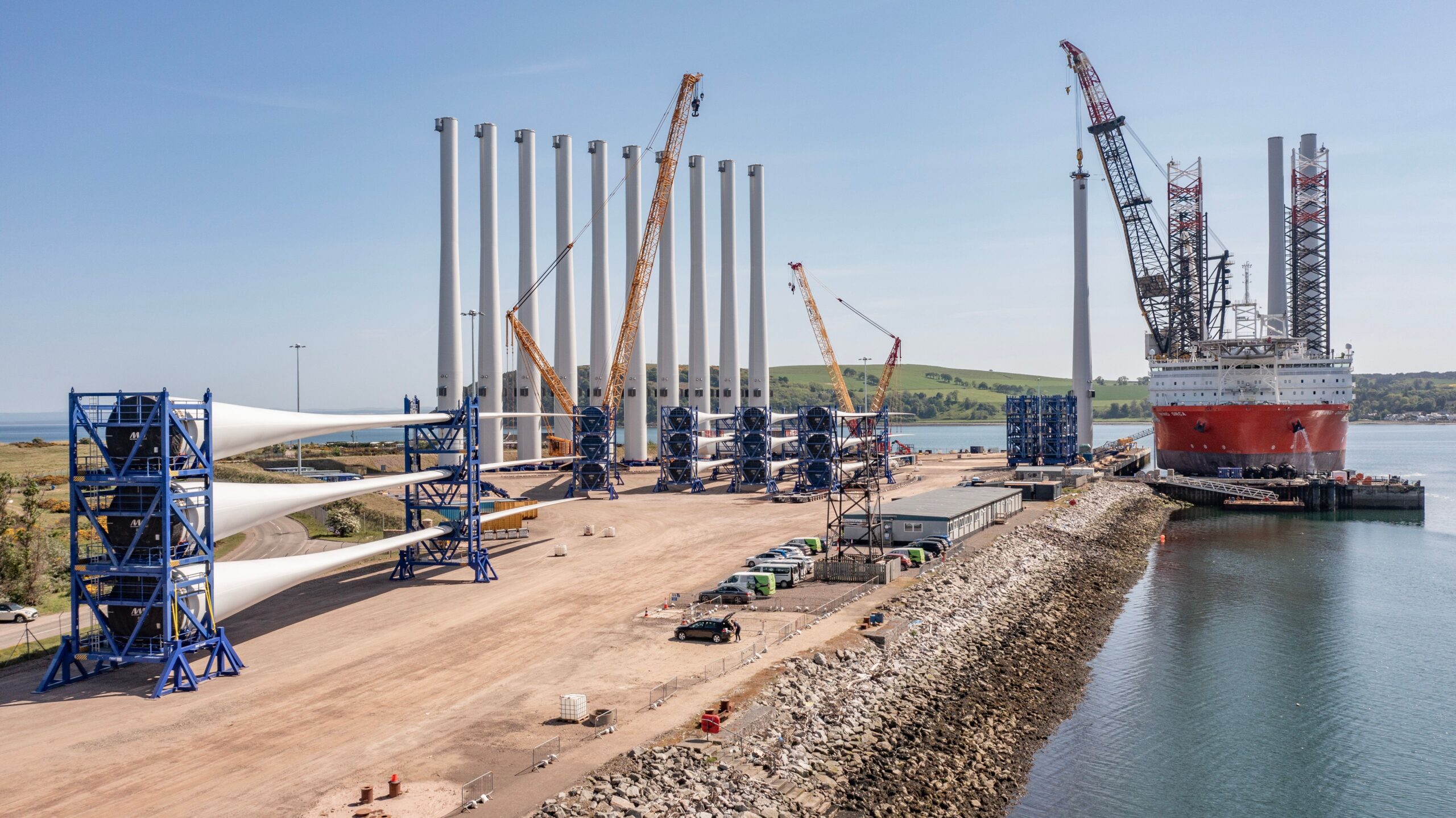
Contract award for Maraen Port of Nigg
Contract has been awarded for McLaughlin & Harvey to construct the Eastern Inner Dock Quay for Maraen Port of Nigg in Tain.
Contract Wins
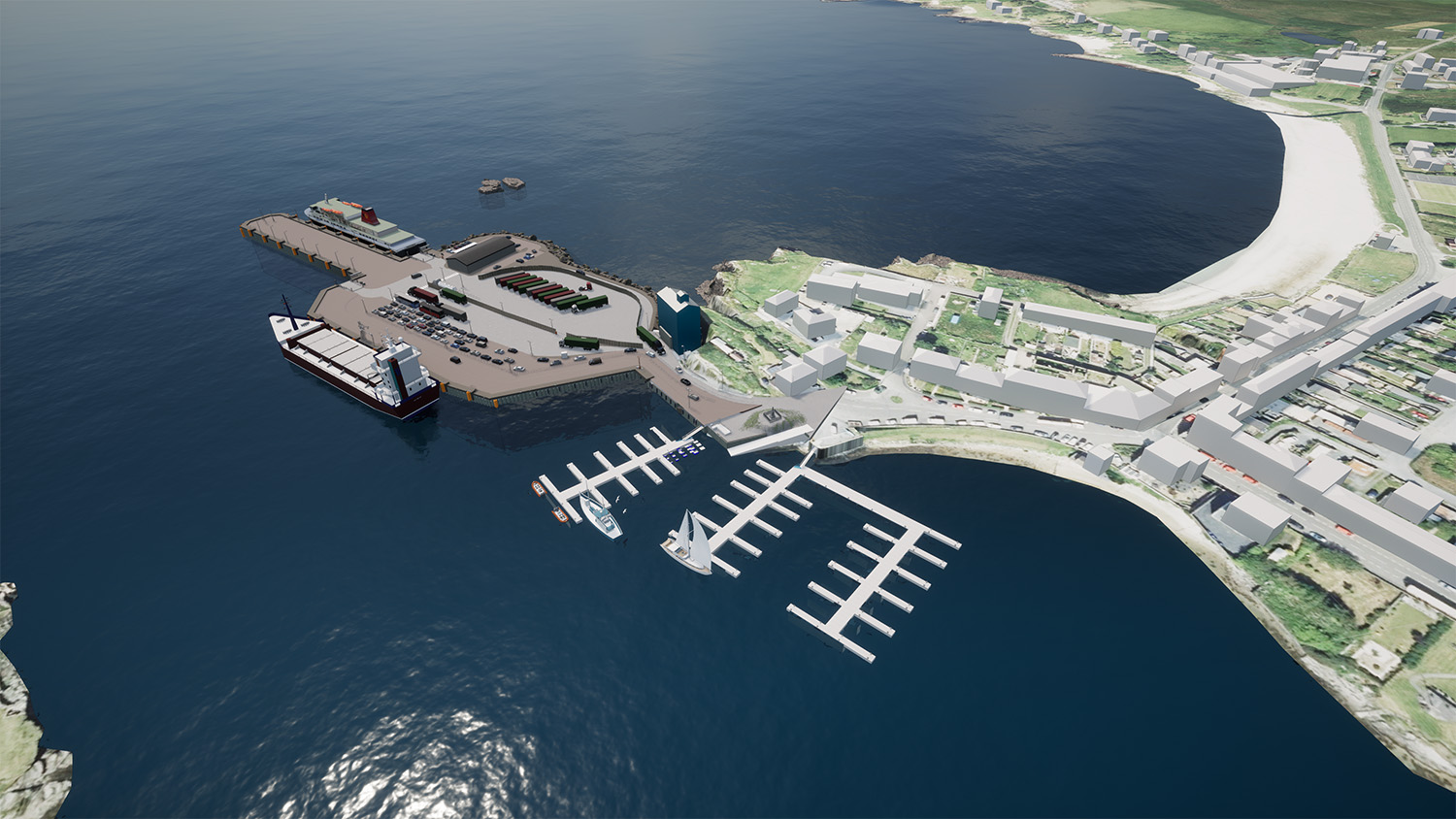
Contract signed for Port Ellen ferry terminal redevelopment
Caledonian Maritime Assets Limited has appointed McLaughlin & Harvey to carry out construction work as part of the upgrade to Port Ellen Ferry Terminal.